No trees are plants and fungi are fungi. Animals are multicellular organisms that are mobile and seek out food at a very basic description. Plants are multicellular non mobile that make their own food and fungi are somewhere between that. Closer to animals but not. Then there’s the single cell life of bacteria and archea.
Animals are a specific lineage of eukaryotic multicellular (mostly) organisms that lack cell walls.
The problem with evolution is that it likes to make exceptions to any descriptor based taxonomy. Any taxonomic category will ultimately be attempting to say “this genetic lineage”. If a sea sponge species eventually develops chlorophyll and cell walls it’ll still be an animal, but just a really fucking confusing one.
Yep, traditional (non-phylogenetic) taxonomy creates problems like protists, the grab bag of eukaryota.
There are more species labeled protists than the sum of all their descendants.
Are they animals, plants, or fungi? Sure, why not!
Some are heterotrophs (eat things), some are autotrophs (energy from sun or chemicals), and others are mixotrophs (some of both). Some are motile, others immotile. Some are multicellular, most unicellular.
The problem is all taxonomy is arbitrary, and traditional taxonomy is pretty inconsistent. Phylogenetic taxonomy is still arbitrary, but using evolutionary relationships instead of “this monkey looks like other monkey” at least gets you more consistency in that system.


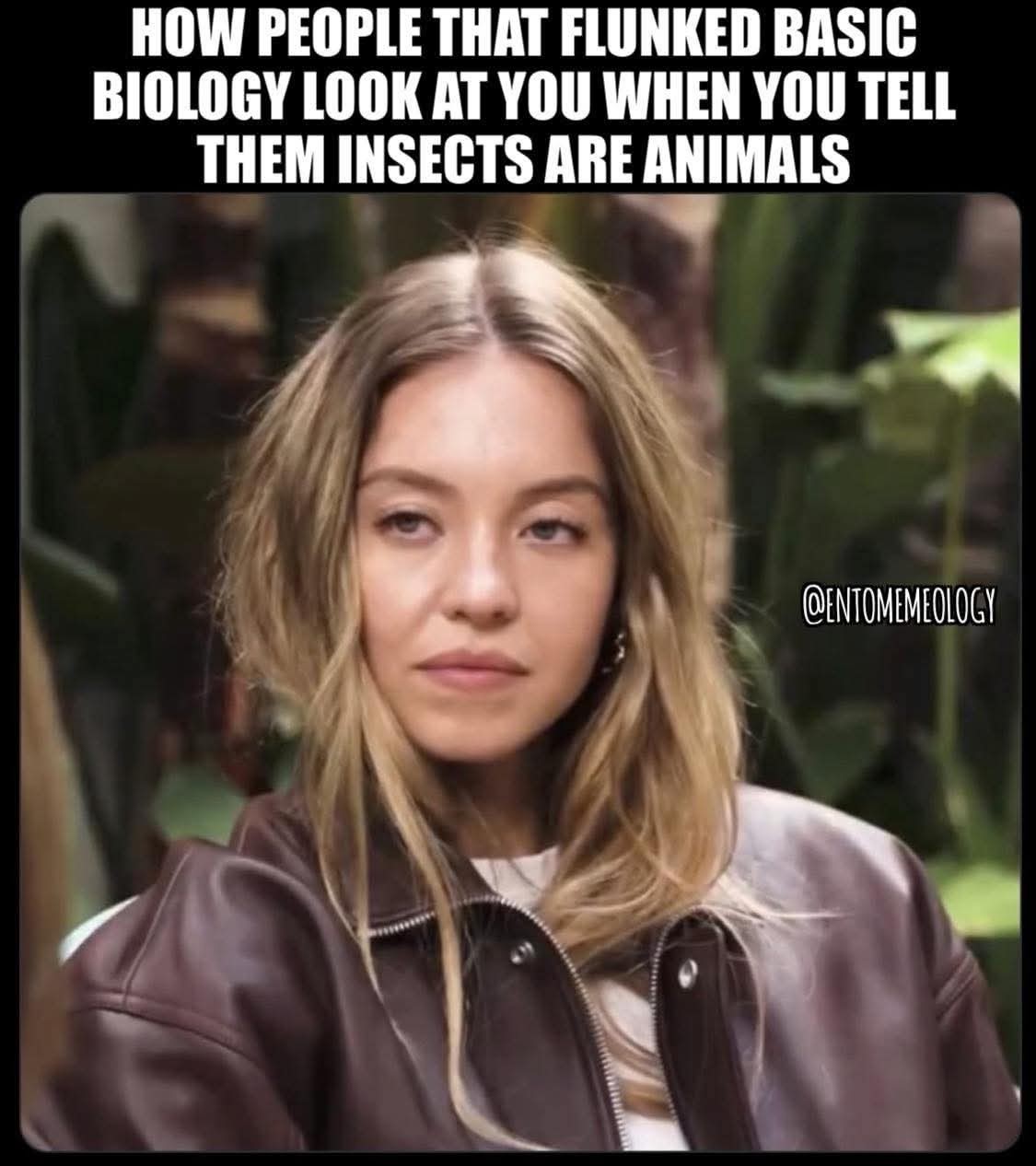
No trees are plants and fungi are fungi. Animals are multicellular organisms that are mobile and seek out food at a very basic description. Plants are multicellular non mobile that make their own food and fungi are somewhere between that. Closer to animals but not. Then there’s the single cell life of bacteria and archea.
Sea sponges are animals and don’t move.
Animals are a specific lineage of eukaryotic multicellular (mostly) organisms that lack cell walls.
The problem with evolution is that it likes to make exceptions to any descriptor based taxonomy. Any taxonomic category will ultimately be attempting to say “this genetic lineage”. If a sea sponge species eventually develops chlorophyll and cell walls it’ll still be an animal, but just a really fucking confusing one.
Yep, traditional (non-phylogenetic) taxonomy creates problems like protists, the grab bag of eukaryota.
There are more species labeled protists than the sum of all their descendants.
Are they animals, plants, or fungi? Sure, why not!
Some are heterotrophs (eat things), some are autotrophs (energy from sun or chemicals), and others are mixotrophs (some of both). Some are motile, others immotile. Some are multicellular, most unicellular.
The problem is all taxonomy is arbitrary, and traditional taxonomy is pretty inconsistent. Phylogenetic taxonomy is still arbitrary, but using evolutionary relationships instead of “this monkey looks like other monkey” at least gets you more consistency in that system.